Social and environmental impact initiatives · Quito
Sustainable initiatives that return value to the people who create it.
We design platforms that shorten the path between the people who create value and the people who need it. Fewer intermediaries, more income for the producer, the waste picker and the small business.
In Latin America, the people who produce usually receive the smallest share of the final price. Between the farm, the workshop or the waste picker and the buyer sits a chain of intermediaries, and each one keeps its margin. Many small businesses also still lack the digital tools to sell on their own.
Direct trade · Circular economy · Equal opportunity · Accessible technology
Direct trade · Digital marketplace
Tiendas HUB
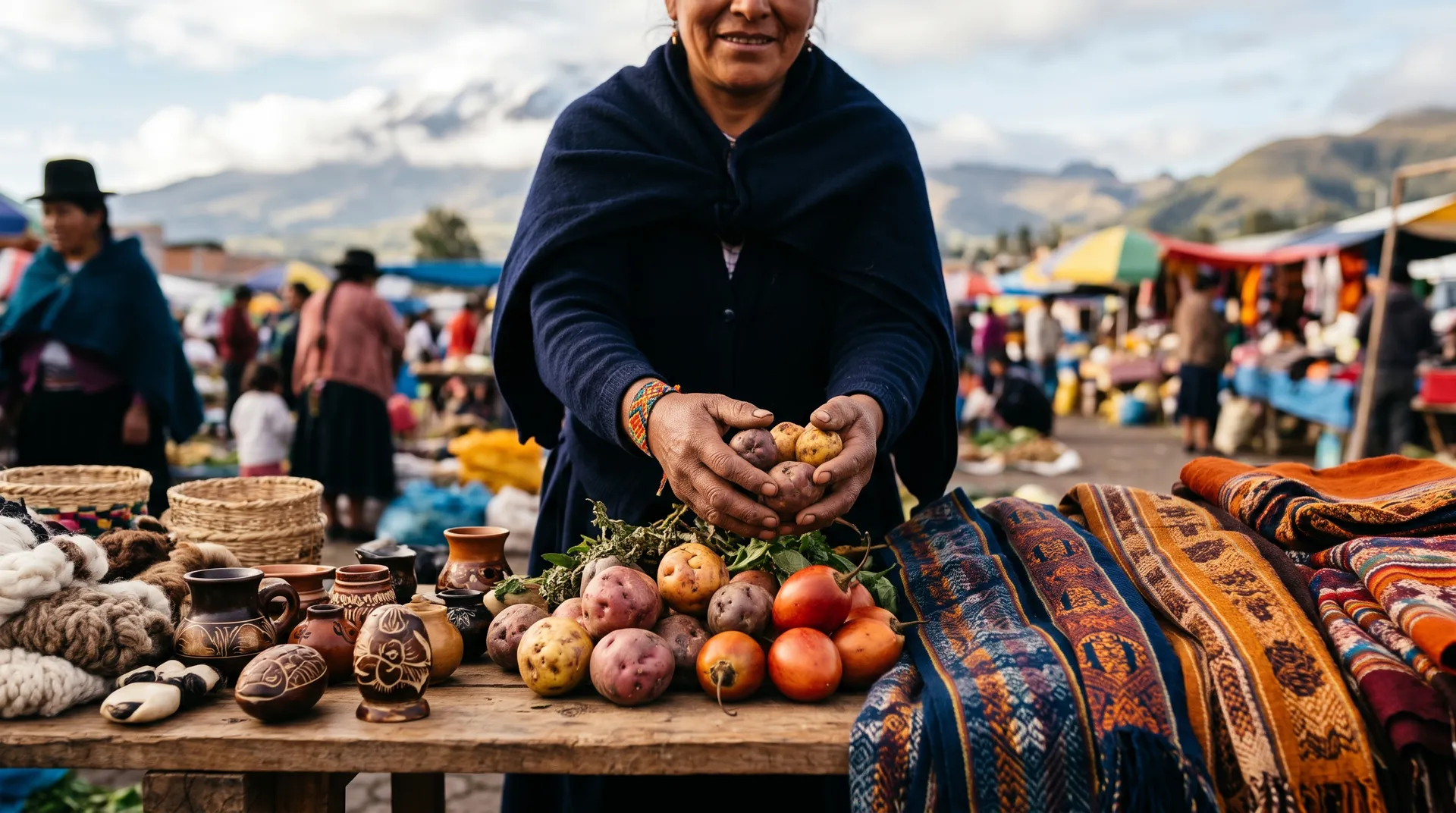
A digital marketplace that connects producers with end buyers, without the long chain of intermediaries. Farmers, artisanal textile workshops, artisans and small manufacturers sell directly to large cities, and even abroad, and keep a larger share of the price.
- Producers sell directly and set their own price.
- Every producer has their own shop inside the marketplace.
- Local, inter-provincial and export-minded sales.
Circular economy · Materials marketplace
Up-Materiales
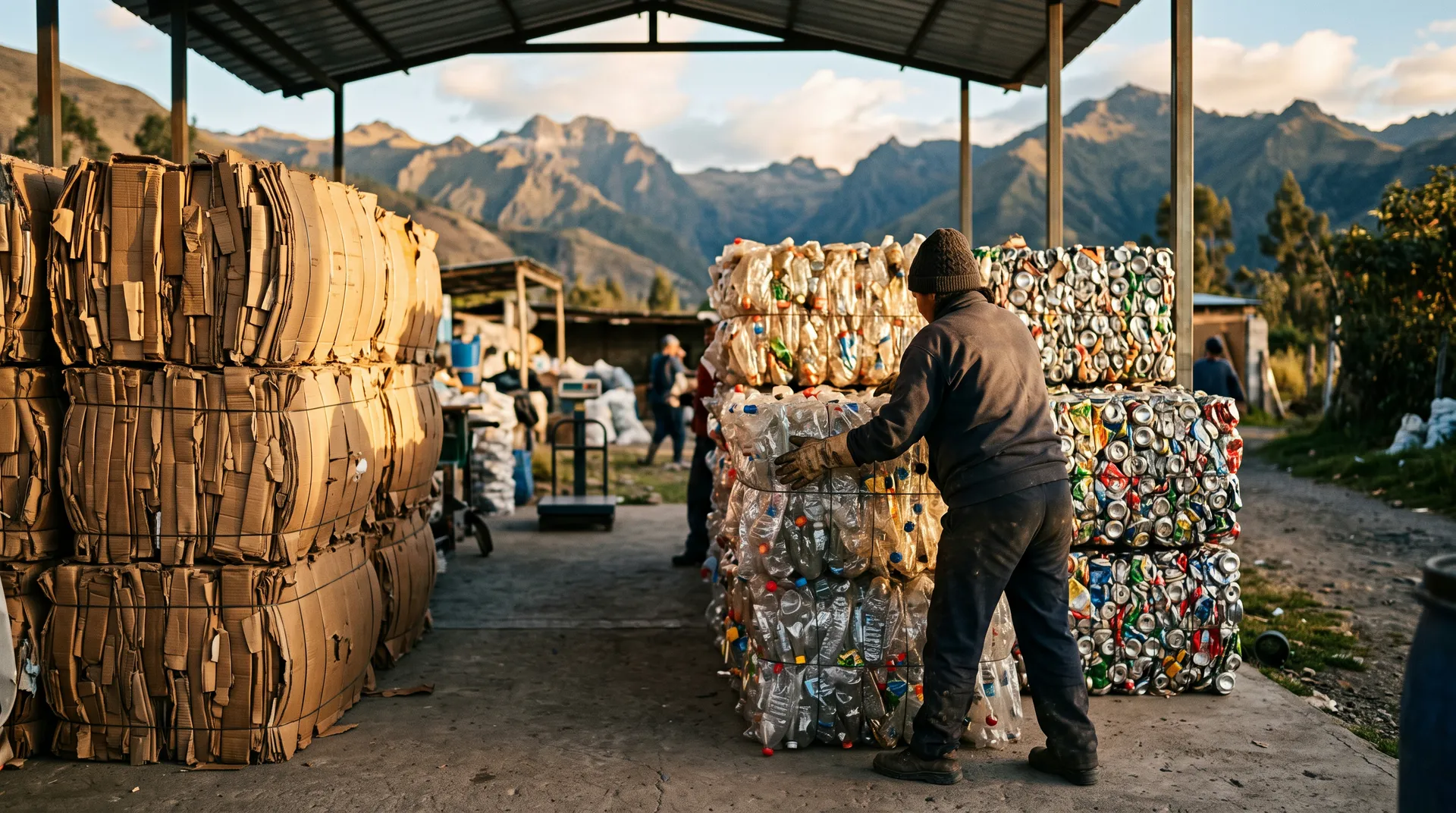
A marketplace that connects waste with demand. From grassroots waste pickers to large industry, every material finds a new life, and the people who recover it sell directly and earn more for their work. We move from a linear economy that produces, uses and discards to a circular one.
- Direct purchase from grassroots waste pickers, the backbone of recycling.
- Five large categories, from recovered material to products with many lives.
- Less waste in landfills, less extraction of raw materials.
Digitalization · Artificial intelligence
Digitaliza
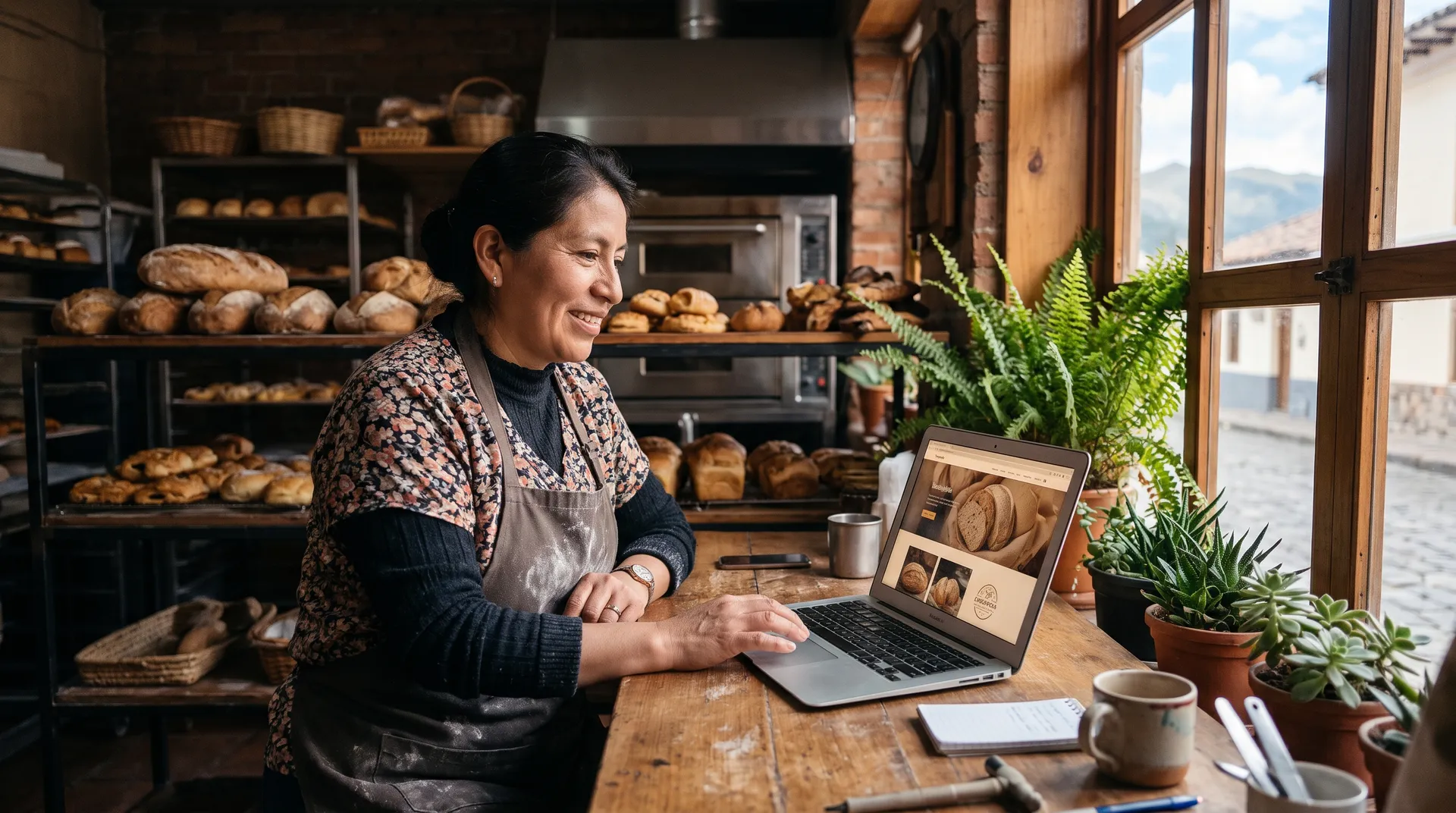
Accessible digitalization for the businesses that were left out. Digitaliza was created to close the digital divide for small businesses and ventures. Today, with artificial intelligence, that gap is much shorter: our plugin builds complete websites, optimized for search engines (SEO) and for AI answer engines (AEO).
- Complete websites, built with artificial intelligence.
- Optimized for Google and for assistants such as ChatGPT, Perplexity and Claude.
- Within reach of small businesses and ventures.
More to come
The next initiatives follow the same principle.
Every new project starts from the same question: where is value lost between the people who create it and the people who need it? If you are a producer, a waste picker, an organization or a partner and want to build the next initiative with us, get in touch.
Write to us- 01 Shorten the path between those who produce and those who buy
- 02 Give a new life to what is thrown away today
- 03 Bring technology to those who have been left out
Who we are
Why we exist
Sustainable Initiatives S.A.S. was founded in Quito on one conviction: the key to equality in the 21st century is digitalization. We believe in decentralization and equal opportunity. That is why we build digital marketplaces that shorten the path between those who produce and those who buy, and services that bring technology to the businesses that were left out. Each initiative tackles a concrete problem that is social and environmental at once: unfair trade, waste nobody uses, and the digital divide.
More about us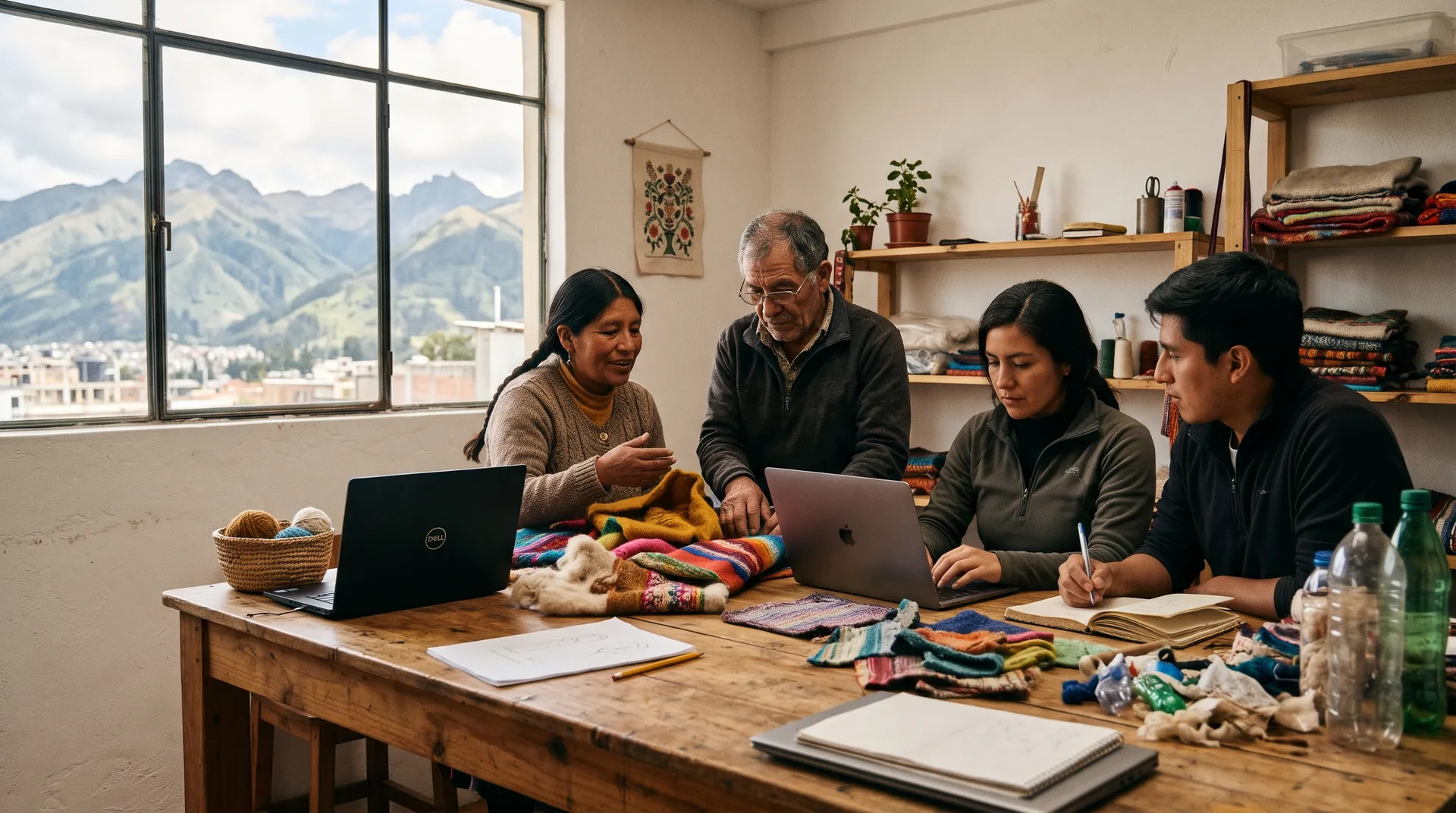
Common questions
What is Sustainable Initiatives S.A.S.?
It is a company in Quito, Ecuador, that builds technology initiatives with social and environmental impact. Its three initiatives are Tiendas HUB, a direct-trade marketplace between producers and buyers; Up-Materiales, a circular-economy marketplace for recycled materials; and Digitaliza, which brings digitalization to small businesses.
How does Tiendas HUB benefit producers?
On the traditional path a product passes through collectors, wholesalers, distributors and shops before it reaches the buyer, and each one keeps a margin. Tiendas HUB connects the producer directly with the end buyer, in large cities and even abroad, so a larger share of the price stays with the person who produces.
Which materials are traded on Up-Materiales?
Up-Materiales organizes materials into five categories: secondary materials (such as PET, paper, cardboard, glass, aluminium, copper, textiles, wood or electronic waste), recycled raw materials (such as PET pellets and sheets or wood chips), surplus products, circular products, and redesigned and repaired products.